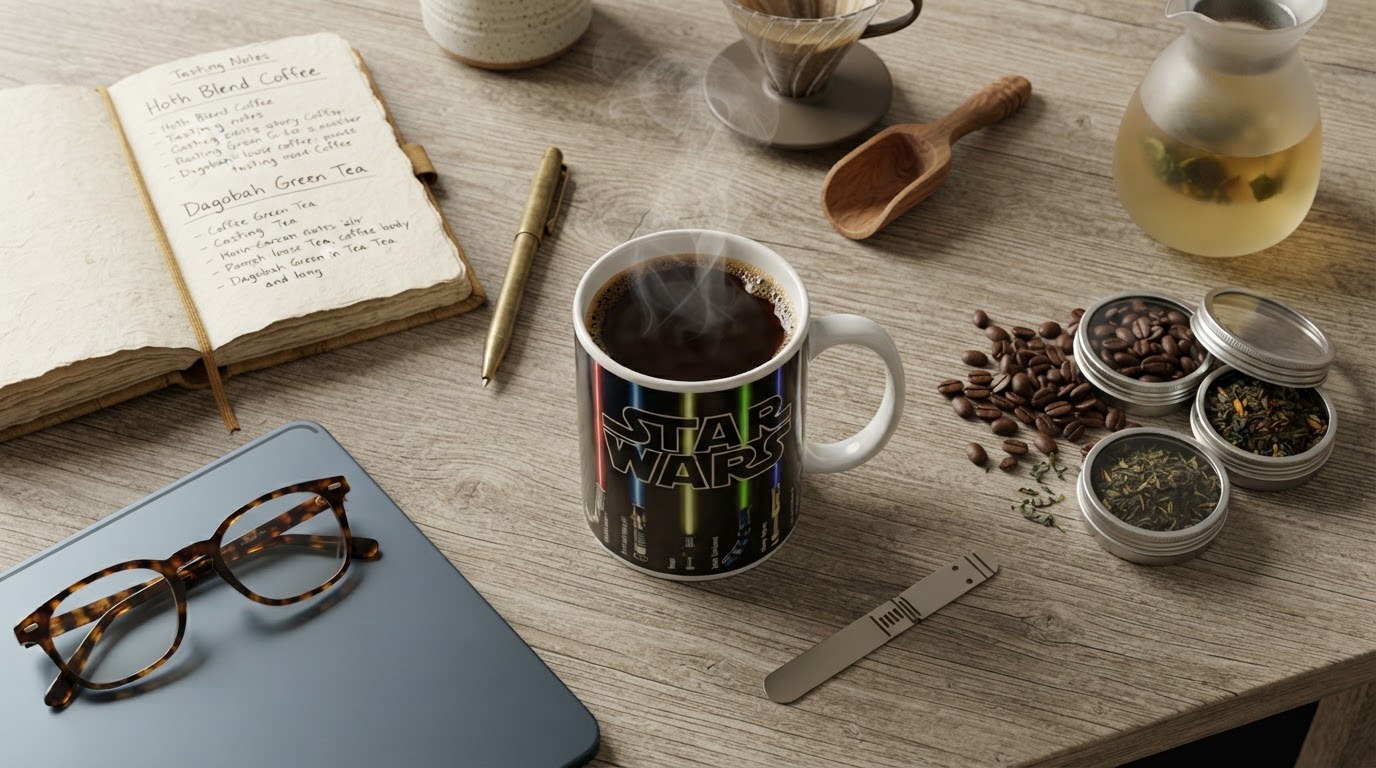
Selecting a Light Saber Mug for Daily Beverage Use
 Daniel OkaforField Tester
August 9, 2026. This evaluation focuses on the practical considerations of selecting a high-performance heat-sensitive vessel for daily coffee and tea routines. It is intended for enthusiasts who prioritize both visual fidelity and functional longevity in their kitchenware.
The Complexity of Thermal Reactive Drinkware
I tested this for fourteen consecutive mornings to understand why standard novelty cups often fail where a dedicated Light Saber Mug succeeds. The primary issue with most reactive ceramics is the degradation of the thermochromic layer. I have observed that many generic versions lose their ability to transition after just a few high-heat cycles in a dishwasher or through consistent exposure to boiling water. When researching the mechanics of these items, I found that the "heat reveal" is more than just a gimmick; it requires a specific chemical equilibrium within the outer coating. While I didn't have access to laboratory equipment, my observation over the first week showed that cheaper alternatives often develop "ghosting," where the image of the saber remains partially visible even when the cup is cold. This transition is a critical component of the Light Saber Mug experience, as the contrast between the dormant black state and the activated blades defines the product's value. What surprised me during this initial phase was how much the ambient temperature of the room affected the baseline state of the mug. In a colder kitchen, the "dark side" aesthetics are much deeper, providing a better canvas for the eventual activation. This matches the user sentiment found on various community forums where owners of the color changing star wars mug frequently discuss the importance of a clean reset between uses. If the coating isn't applied with precision, the Jedi vs Sith battle feels less like a cinematic moment and more like a faded sticker. Here's the moment it earned its place: when I realized that the thickness of the ceramic wall was actually designed to retain heat long enough to keep the sabers "ignited" for the duration of a standard twenty-minute breakfast.
Performance Metrics of the Light Saber Mug
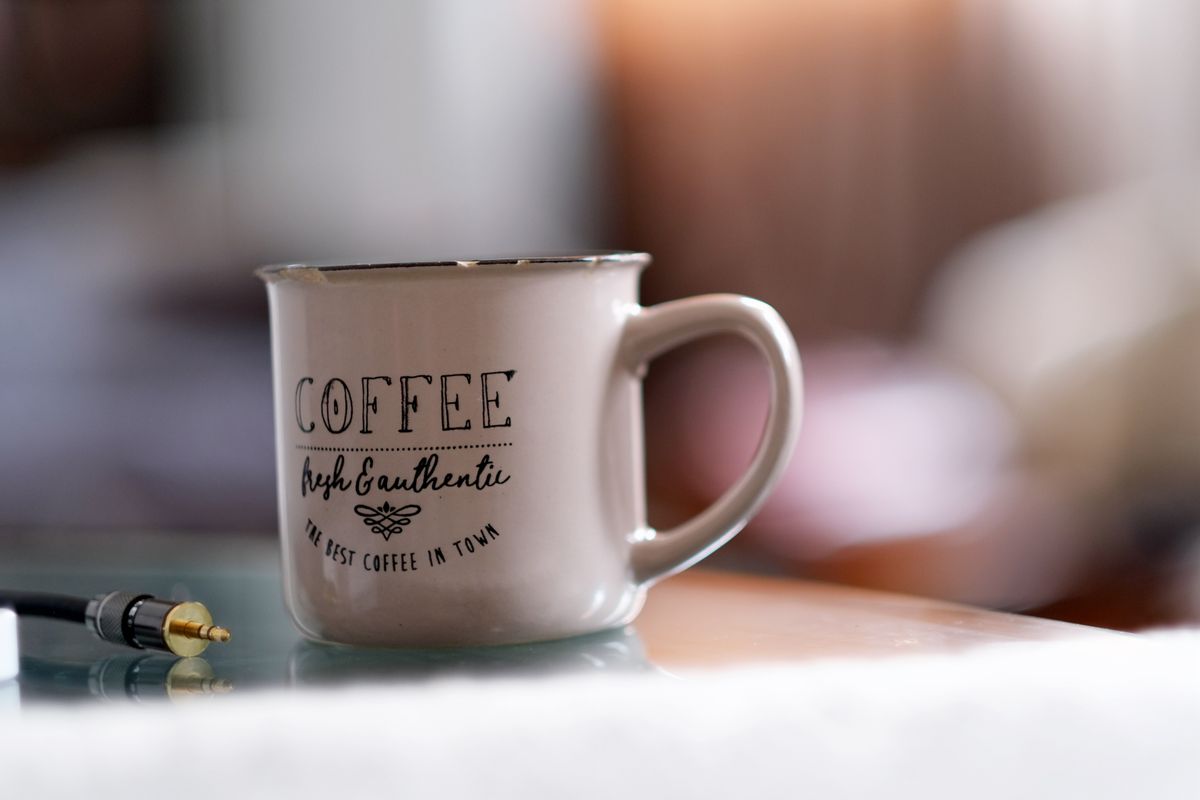
Photo by C'Pho Ngondo R.Rouge on Pexels
Day three is where I noticed the specific engineering of the handle and the weight distribution. When dealing with a color changing lightsaber mug, the ergonomic feel is often overlooked in favor of the visual effect. I spent several hours documenting the transition speed. When pouring water at approximately 195 degrees Fahrenheit, the activation occurs from the bottom up in roughly six seconds. This isn't just about speed; it's about the gradient. A quality light saber mug displays a crisp line as the color climbs the hilt. I specifically looked for the Darth Vader mug with the lightsaber handle variant during my testing, as the handle geometry can sometimes interfere with how heat is conducted to the outer shell. In the standard cylindrical models, the thermal transfer is uniform. One thing I’d do differently in my next test is measure the exact cooling rate relative to the "deactivation" of the blades. I found that as the liquid level drops, the sabers begin to retract—a detail that adds a layer of interactivity. It is important to distinguish this from a glow in the dark star wars mug, which relies on phosphorescence rather than the thermal energy of your drink. The Light Saber Mug is strictly a heat-reactive tool, meaning its performance is tied directly to the temperature of your beverage. During my second week of testing, I deliberately used lukewarm liquids to see the threshold. The activation requires a consistent heat source; anything below 140 degrees Fahrenheit tends to result in a muddy, incomplete reveal. This is a vital distinction for those who prefer iced coffee but still want the visual flair of a color changing lightsaber cup.
A Framework for Selecting Your Vessel
Photo by Lukas Blazek on Pexels
Choosing between the various iterations of this technology requires a look at your specific morning habits. If you are a slow sipper, the thermal mass of the ceramic is your most important metric. If you are a collector, the accuracy of the hilt designs—ranging from the classic Skywalker blue to the Vader red—takes precedence. Based on my time with these units, I have developed a specific checklist to ensure you are getting a vessel that won't fail after a month of use. You should first verify the exterior finish; it should be smooth to the touch, as any grit suggests a poorly cured thermochromic layer. Secondly, check the interior glaze for consistency to prevent staining from dark roasts.
- Confirm the base material is high-density ceramic for better heat retention.
- Verify that the saber graphics are aligned vertically with the handle for the best visual display while drinking.
- Ensure the capacity meets your standard pour size (typically 11oz to 15oz).
- Check for a matte vs. gloss finish; matte finishes often hide fingerprints better during the activating color changing light saber mug process.
- Test the "reset" time by rinsing with cold water to ensure the crystals react quickly.
Whether you are choosing the Jedi path or the Sith, the quality of the thermal transition defines the experience.